Scientific Research Database

Research on the Transcendental Meditation and TM-Sidhi Programs
As taught by Maharishi Mahesh Yogi
623 papers · 1,659 findings · 167 journals · 1970–2016
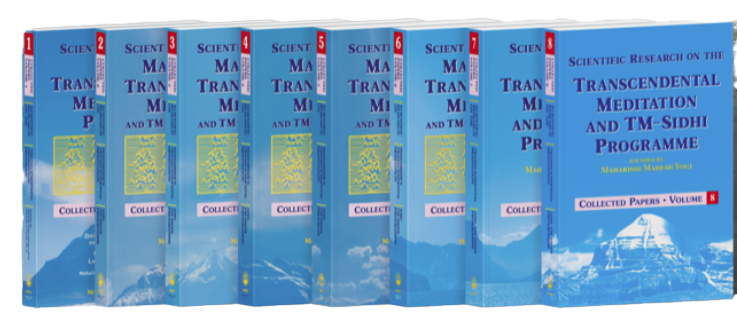
3 papers found
- 1995· Journal of Instructional Psychology· Empirical· Collected Papers Vol. 6Fergusson, L. C.; Bonshek, A. J.; and Boudigues, J.–M. Personality and health characteristics of Cambodian undergraduates: A case for student development. Journal of Instructional Psychology 22: 308–319, 1995.
This study found improved mental and physical health among university students in Cambodia who learned the Transcendental Meditation program, as measured by decreased state anxiety, decreased trait anxiety, decreased depression, increased self-esteem, and improved general health.
- Psychological Health: Decreased State Anxiety
- Psychological Health: Decreased Trait Anxiety
- Psychological Health: Decreased Depression
- + 2 more findings
- 1994· College Student Journal· EmpiricalFergusson, L. C.; Bonshek, A. J.; Boudigues, M. (1994). Transcendental Meditation and Five Factors Relevant to Higher Education in Cambodia. College Student Journal, 28(1), 103–107.
Exploratory self-report research in Cambodian university students, including a survey of 95 students and correlations in a separate sample of 120. The study reports associations, not controlled evidence that meditation caused improvement.
- Learning and Memory: Meditation experience correlated with self-reported learning ability (r = .45) in 120 students.
- Cognitive Performance: Meditation experience correlated with attention span (r = .20).
- Health—General: Meditation experience correlated with physical health (r = .33).
- + 3 more findings
- 1988· Empirical· Collected Papers Vol. 6Boudigues, J.-M. Case study of the Transcendental Meditation programme in the national prison system of Senegal. This paper summarizes results published in Nouveaux horizons en criminologie et en science pénitentiaire: Le Systéme Intégré Maharishi de Réhabilitation Fondé sur le Champ Unifié dans les prisons Sénégalaises. Séminaire annuel de l’Administration pénitentiaire. Dakar, Senegal: Maharishi European Research University and Penitentiary Administration of Senegal, 1988; and in a revised version published with the permisson of the Penitentiary Administration of Senegal, published in both French and English, with the English title New Horizons in Criminology and Penitentiary Science: The Maharishi Unified Field Based Integrated System of Rehabilitation in Senegalese Prisons. Annual Seminar of the Penitentiary Administration. Vlodrop, The Netherlands: Maharishi Vedic University Press, 1990.
This case study reports benefits for inmates, for correctional staff, and for the country from nation-wide implementation of the Transcendental Meditation program in the prisons of Senegal. Benefits for inmates included sharp reduction in negativity, irritability and aggressiveness; improved relations between inmates; improvement in health; marked decrease in drug consumption; improvement in sleep; and greater confidence and joyfulness. Benefits for staff were greater self-confidence, greater concern for inmates, greater self-control, greater conscientiousness, improved health, and decreased absenteeism and lateness. Benefits for prisons were almost complete cessation of fights between inmates, sharp decrease in the number of medical consultations, marked decrease in rule violations by inmates and staff, and fewer escapes; and benefits for the nation were reduced national recidivism, as well as increased and more balanced rainfall and increased harvests.
- Rehabilitation of Offenders: Reduced Negativity, Irritability and Aggressiveness of Inmates
- Rehabilitation of Offenders: Improved Relations Between Inmates
- Rehabilitation of Offenders: Improvement in Health among Inmates
- + 15 more findings